Do you use Google for genealogy? This free, powerful web browser will scan over 30 trillion webpages for information we request: our ancestors’ names, messages from those with common ancestors, or pictures and stories relating to our relatives’ lives.
However, it’s all too easy to run a Google search for an ancestor’s name–and then become discouraged when we see a quarter million search results. Especially if the first few results don’t seem relevant at all! We may give up, unaware that the gem we’re after is among our results, but much further down the list.
Certain Google keyword search tips and tricks can help you get exactly the types of search results you’re after. Once you learn Google search strategies for genealogy, you’ll find yourself using the same strategies to find other things online, from recipes to how-tos to old car manuals or anything else you need!
Here’s how to get started
1. Go to the Google home page and enter a few keywords relating to a piece of information you hope to find online. Say, an ancestor’s full name and hometown such as Andrew Larsen Scranton PA. Or a type of record you need and the location (probate records Lackawanna County PA). As you see from these examples, you don’t need commas in between your words or any other punctuation, at least to begin with. After entering a few keywords, hit Enter.
2. Look at your search results. The first few may be sponsored search results, or results that appear on websites that are paying for you to see them first. These results may or may not be what you’re looking for. Scan them, but keep looking!
3. Do you see too many search results? Too few? Not quite on target? Add or subtract keywords as needed, and search again. For example, if your search for probate records Lackawanna County PA just brings up current probate records, add the word genealogy. If Andrew Larsen Scranton PA doesn’t bring up any relevant results, try omitting his first name from the search. Then results for anyone with that surname will come up.
4. Still not quite right? It may be time to start adding little codes to tell Google exactly what you want.
5 Google Search Strategies That Get Better Results
Search operators are symbols and words that instruct Google on what to do with the keywords you provide in your search query. Get ready to talk Google’s language with these 5 strategies:
1. Quotation Marks (“ ”). One of the quickest ways to improve your search results is to use quotation marks.Using quotation marks around a phrase ensures that this exact phrase appears in each and every result. For example: “U.S. Federal Census” returns websites featuring that exact phrase, and no variation. “Jehu Burkhart” returns only webpages that include the exact name Jehu Burkhart somewhere on the page. Keep in mind though that if Jehu’s name appears as Burkhart, Jehu on a web page it will not appear in your results list.
2. OR. Use this to provide for more options in Google search results. For example, we can solve the last name first, first name last problem like this: “Jehu Burkhart” OR “Burkart, Jehu”. Not be sure whether Great Grandmother Smith is buried in Manhattan or Brooklyn? Search for cemeteries in either city: Cemeteries Manhattan OR Brooklyn.
3. Minus Sign (-). Let’s say that you are searching a Harold Carter from Springfield, Ohio and there happens to be a prominent man named Harold Carter from Springfield, Missouri who keeps popping up in your search results. Ask yourself: “what’s unique about this other person that I could eliminate from my Google search?” If the unwanted Mr. Carter was married to Mabel and owned a steel factory, you could try this approach:“Harold Carter” “Springfield” Missouri -Mabel -Steel. By using the minus sign operator you can sweep this Mr. Carter from Missouri out of the way and off your results page.
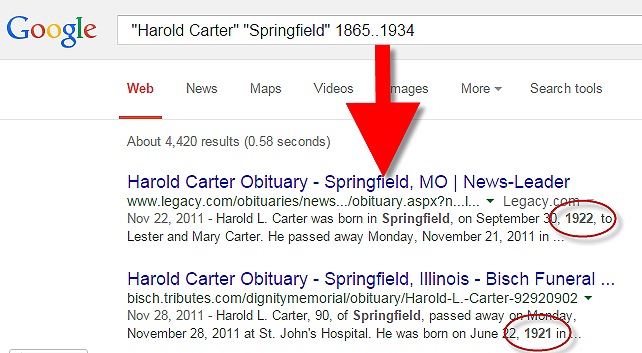
4. Numrange (00..18). The numrange command adds a range of numbers to your search parameters. To enter the command, type the beginning number, then two periods (no spaces), then the ending number. Use this feature to include the timeframe of your ancestor’s life in your online search. “Harold Carter” “Springfield” 1865..1934.
Google Search Example
5. Mix and Match. As you can already see in the above examples, it is perfectly acceptable to mix and match search operators. Here’s a search query that makes use of our first four strategies: “Harold Carter” OR “Carter Harold” “Springfield” Missouri -Mabel -Steel 1865..1934
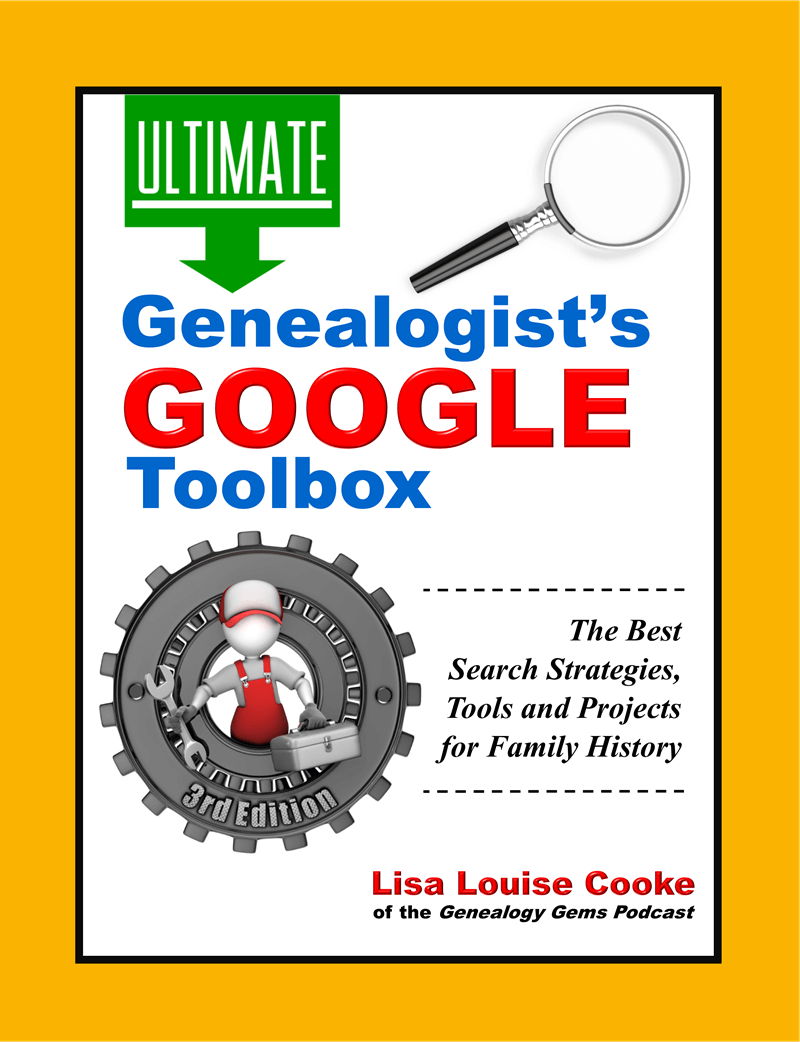
The Genealogist’s Google Toolbox has become the “Google bible for genealogists.” Now in its second edition, the book was fully revised and updated in 2015. A lot has changed since the first edition was published in 2011, and it’s all documented step-by-step in this new edition.
This brand new edition includes:
Google Search
Google Alerts
Gmail
Google Books
Google Translate
YouTube
Google Earth
Brand new chapters on Google Scholar and Google Patents
It’s Nice to Share. Do youhave friends who would benefit from this article on using Google for genealogy and Google keyword search tips. Please share this article with them. You will find handy sharing buttons on this page, or just copy and paste the URL for this article into a Facebook post or email. Thanks!
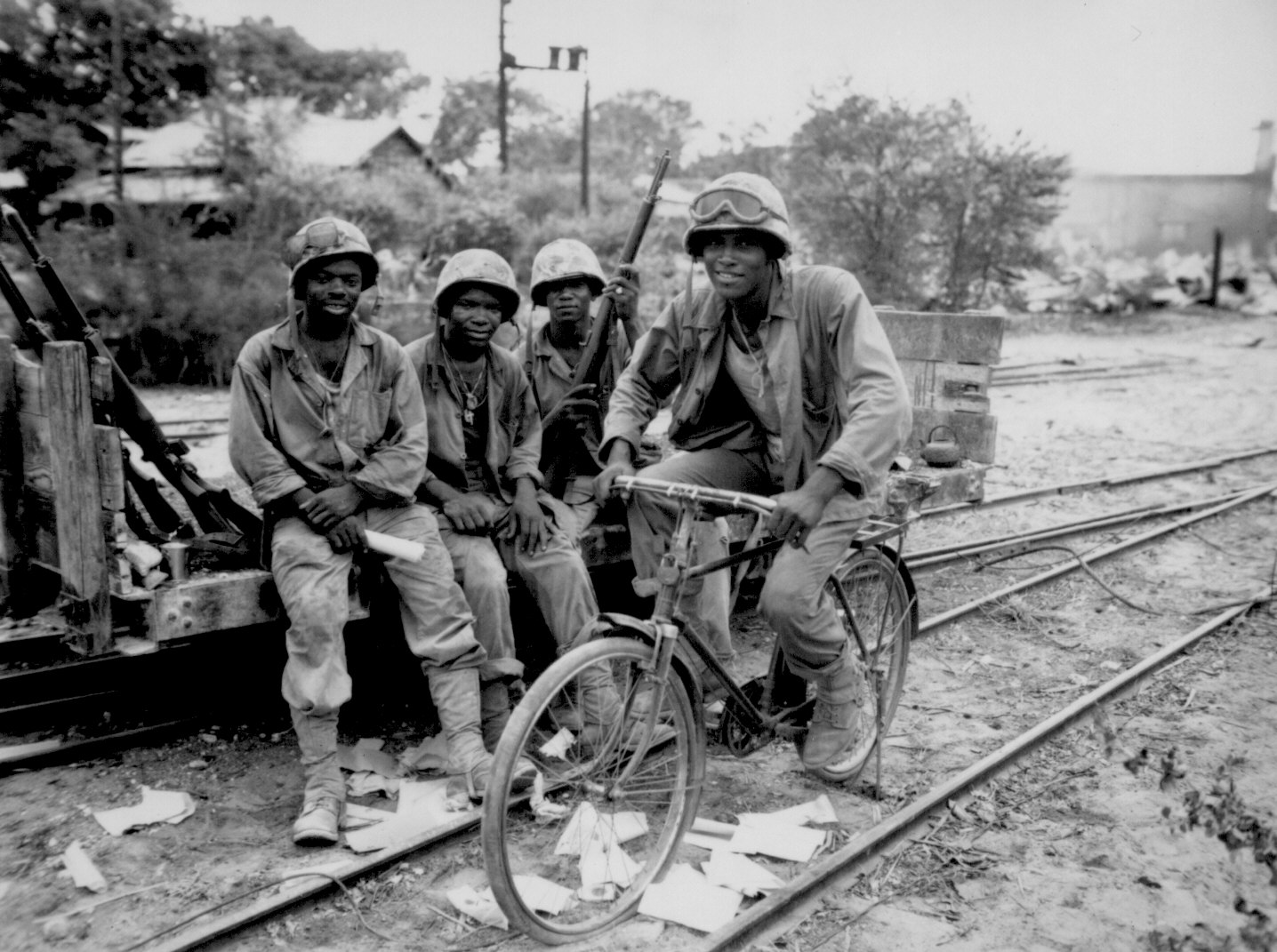
Ready to research your WWII ancestors? We recommend these resources–and give you more from WWII author Rick Beyer, who recently appeared on the Genealogy Gems podcast.
Genealogy Gems Podcast episode 165 (listen for free!), about WWII records at the U.S. National Archives and tips for finding soldiers’ overseas travels.
Know anyone else who would love to know about these resources? Please share this post with them! And if you enjoy reading about history and family themes, check out the Genealogy Gems Book Club. We regularly interview best-selling and critically-acclaimed authors on our show: see why these are some of our most popular episodes!
Citizens Creek, the newest novel by New York Times best-selling author Lalita Tademy, is the featured Genealogy Gems Book Club title for the last quarter of 2015. In December, we will bring you an exclusive interview with the author. Why not start reading now?
We are pleased to announce the newest Genealogy Gems Book Club selection: Citizens Creek, a new novel by New York Times best-selling author Lalita Tademy.
Some of you have probably read her previous novels, Cane River and the sequel Red River. Cane River was an Oprah Book Club selection. I read these a few years ago and really enjoyed them. So I was really excited when I heard she had a new novel out. And even more excited when she said she’d be happy to join us on an upcoming Genealogy Gems podcast to talk about the book!
Citizens Creek is a novel, but it’s based on the lives of real people. The publisher describes it as “the evocative story of a once-enslaved man who buys his freedom after serving as a translator during the American Indian Wars, and his granddaughter, who sustains his legacy of courage.” Here’s more to whet your appetite:
“Cow Tom, born into slavery in Alabama in 1810 and sold to a Creek Indian chief before his tenth birthday, possessed an extraordinary gift: the ability to master languages. As the new country developed westward, and Indians, settlers, and blacks came into constant contact, Cow Tom became a key translator for his Creek master and was hired out to US military generals. His talent earned him money—but would it also grant him freedom? And what would become of him and his family in the aftermath of the Civil War and the Indian Removal westward?
“Cow Tom’s legacy lives on—especially in the courageous spirit of his granddaughter Rose. She rises to leadership of the family as they struggle against political and societal hostility intent on keeping blacks and Indians oppressed. But through it all, her grandfather’s indelible mark of courage inspires her—in mind, in spirit, and in a family legacy that never dies.
“Written in two parts portraying the parallel lives of Cow Tom and Rose, Citizens Creek is a beautifully rendered novel that takes the reader deep into a little known chapter of American history. It is a breathtaking tale of identity, community, family—and above all, the power of an individual’s will to make a difference.”
We first considered this book for the Genealogy Gems Book Club because of the compelling history. As I started reading, I realized that this book was all about family, relationships and legacy. The experiences of one generation shape them and deeply affect future generations. Specifically we as readers see how Cow Tom’s grand-daughter, living after the time of slavery, looks back on her grandfather’s life for inspiration, support and guidance, even while trying to keep his deepest secret.
Click here to purchase Citizens Creek in hardcover, paperback, Kindle and even as an Audible or MP3 file for those of you who like to listen to books. We thank you for using our links when you purchase anything we recommend. You support free Genealogy Gems programming and content, like the Genealogy Gems podcast, website and videos on our YouTube channel.
The Genealogy Gems Book Club is our free, no-commitment online book club. Every 3 months, we share a favorite history and family-themed book: fiction and non-fiction, best-sellers and lesser-known titles. During the third month, the author joins us to chat about his or her book from the point of view of someone who {hearts} family history. Click here to see other titles we’ve recommended.
If you would love to take a genealogy travel adventure to your ancestral homeland, consider who might help you make it happen. Get inspired and ready with these tips!
“What I would really like to know is if you have any travel agent/agency that is great for Europe travel to do my own ‘Who Do You Think You Are.’ Any help or direction you can give would be much appreciated.”
I have just the thing for Joyce’s travel question! In the free Genealogy Gems Podcast episode 115, I interviewed Kathy Wurth, who specializes in family history tours of Europe. (You will find her contact information here on the show notes page for the episode.) Even if she doesn’t go to the locations you want to visit, I’m sure that she could help match you up with a travel consultant who does. Tell her “hi” for me!
Before you set off on your own genealogy travel adventure, get inspired and get ready! Here are some great resources for doing just that:
Get inspired! Listen to or read about these genealogists’ travel adventures to ancestral homelands that I’ve covered on Genealogy Gems in the past:
She Left Me the Gun: My Mother’s Life Before Meby Emma Brockes. An award-winning journalist tells the story of her discovery of her mother’s tragic childhood in South Africa. This is a genealogical journey, complete with trips to archives, poring over old court cases and dramatic reveals. This is the ultimate how-to book for exploring and sharing sensitive family stories because she shows you how it’s done. Listen to an excerpt of our interview with Emma Brockes on the Genealogy Gems podcast episode 174 and the full-length interview in Premium episode 118.
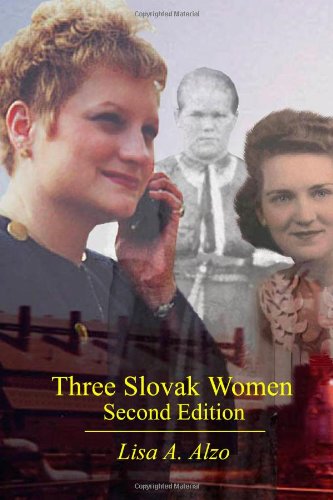
Three Slovak Women, Second Edition by Lisa Alzo. A popular genealogy expert’s story of three generations of Slovak women in the steel-producing town of Duquesne, Pennsylvania, and the love and sense of family binding them together. Click here to hear Lisa in the free Family History Made Easy podcast talk about her reasons for researching her family history and what she’s learned along the way, including in her travels in Eastern Europe.
If you want to take a genealogy travel adventure–or invite someone else to–please share this article with them! Just email a link or It’s easy, it’s free–and maybe you’ll pick up a travel companion! Happy travels!

 It’s Nice to Share. Do you have friends who would benefit from this article on using Google for genealogy and Google keyword search tips. Please share this article with them. You will find handy sharing buttons on this page, or just copy and paste the URL for this article into a Facebook post or email. Thanks!


 edited by Paul Auster. This collection of 180 personal stories ranks close to 5 stars by Amazon readers. It includes Rick Beyer’s story, “A Plate of Peas,” which he reads for us on the Genealogy Gems YouTube channel (watch it below).

 and the sequel
 .


 by Lisa Alzo. A popular genealogy expert’s story of three generations of Slovak women in the steel-producing town of Duquesne, Pennsylvania, and the love and sense of family binding them together.